

ODA3-2026-10-INS-115
AI Transaction Authority Must Be Evidenced, Not Assumed
An authenticated session is not proof of an AI agent’s authority to pay. Examine the mandate, enforced limits, executed transaction and evidence gaps.
Read publication →PUBLICATION COLLECTION
Browse this collection and consult each publication for its evidence, sources and stated limitations.
ODA3-2026-10-INS-115
An authenticated session is not proof of an AI agent’s authority to pay. Examine the mandate, enforced limits, executed transaction and evidence gaps.
Read publication →
ODA3-2026-10-INS-113
A standards crosswalk shows what AI controls are mapped—not whether they work. Board-level questions, an agent authorization example, and a bounded evidence record for control effectiveness.
Read publication →
ODA3-2026-10-INS-111
A DOE energy AI testbed illustrates why evaluation evidence must match deployed tools, permissions and operating conditions before supporting assurance claims.
Read publication →
ODA3-2026-10-INS-098
Methodology note. This analysis draws on public disclosures only: two MAS speeches (11 September and 9 October 2026), the MAS media release of 3 July 2026, and a MAS-hosted SAFR…
Read publication →
ODA3-2026-07-CHT-SEC-005
Placing controls at the right layer across model, retrieval, agent, tool, and enterprise boundaries.
Read publication →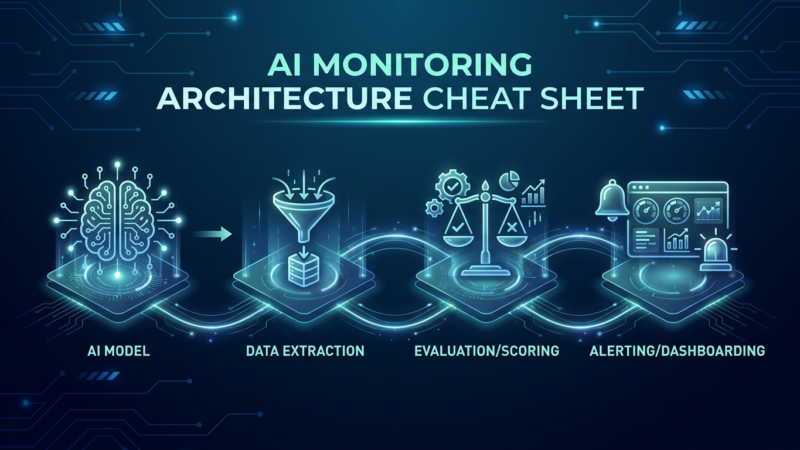
ODA3-2026-07-CHT-SEC-002
Monitoring model behaviour, retrieval, agent actions, tool use, and infrastructure as one evidence chain.
Read publication →
ODA3-2026-05-INS-015
Your AI Tools Have the Keys to Every Tenant in Your Cloud. Most Security Teams Don’t Know It Yet. New ODA3 research — validated against 47 verified.
Read publication →
ODA3-2026-05-INS-025
Nine Standards. Zero Interoperability. One August Deadline. When your organization faces an AI incident in the next 90 days — a model hallucination that.
Read publication →
ODA3-2026-05-INS-027
The incident that changed how security teams think about agentic AI did not involve an adversary. There was no attacker, no ex ltration payload, no.
Read publication →