

ODA3-2026-07-CHT-SEC-004
AI Risk vs Security Risk Matrix Cheat Sheet
A routing matrix for distinguishing harmful system behaviour from adversarial compromise and overlap.
Read publication →PUBLICATION COLLECTION
Browse this collection and consult each publication for its evidence, sources and stated limitations.
ODA3-2026-07-CHT-SEC-004
A routing matrix for distinguishing harmful system behaviour from adversarial compromise and overlap.
Read publication →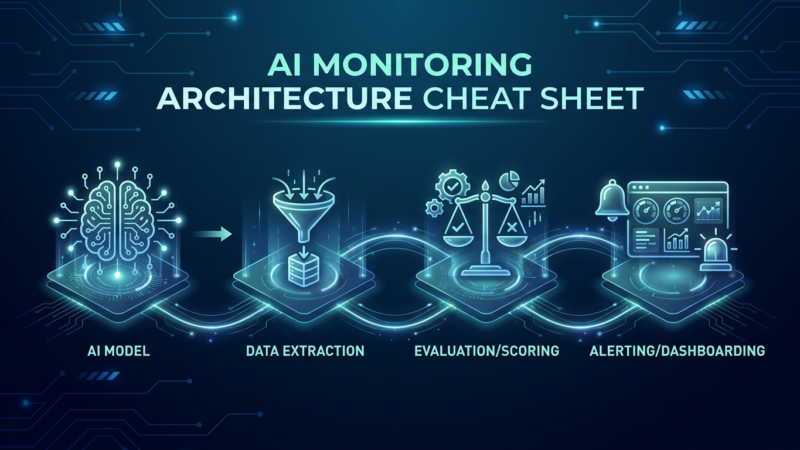
ODA3-2026-07-CHT-SEC-002
Monitoring model behaviour, retrieval, agent actions, tool use, and infrastructure as one evidence chain.
Read publication →
ODA3-2026-07-CHT-SEC-001
A layered control model for reducing prompt-injection impact across AI applications, RAG and agents.
Read publication →
ODA3-2026-07-TCR-SEC-004 / ODA3-2026-07-EXB-SEC-005
Q2 evidence indicates that material AI security impact is shifting from model outputs toward authorized actions.
Read publication →
ODA3-2026-06-DP-012
ODA3 defensive publication establishing prior art for Inference-Layer Decision Trace Logging and Coordinated Multi-Component Rollback for AI Incident.
Read publication →
ODA3-2026-06-DP-011
ODA3 defensive publication establishing prior art for Attack-Vector-Specific Context Modifier Taxonomy with Per-Factor Capping for AI Incident Severity.
Read publication →
ODA3-2026-06-DP-010
ODA3 defensive publication establishing prior art for Cryptographic Hash-Based Incident Deduplication with Architecturally-Separated Acute and Chronic.
Read publication →
ODA3-2026-06-DP-009
ODA3 defensive publication establishing prior art for Dominant-Harm-Anchored Severity Scoring Engine for AI Incident Classification with.
Read publication →
ODA3-2026-06-INS-011
A landmark research publication from ODA3 Institute maps the enforcement reality across GDPR, HIPAA, FINRA, and SEC for AI-enabled organisations —.
Read publication →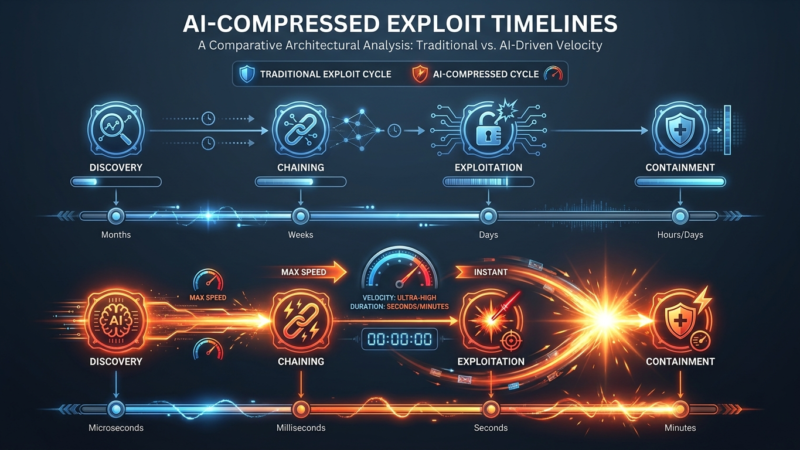
ODA3-2026-05-INS-012
Palo Alto’s 7× vulnerability discovery report + Google TAG’s APT45 findings prove AI is compressing exploit timelines. The question isn’t “how many bugs?”.
Read publication →